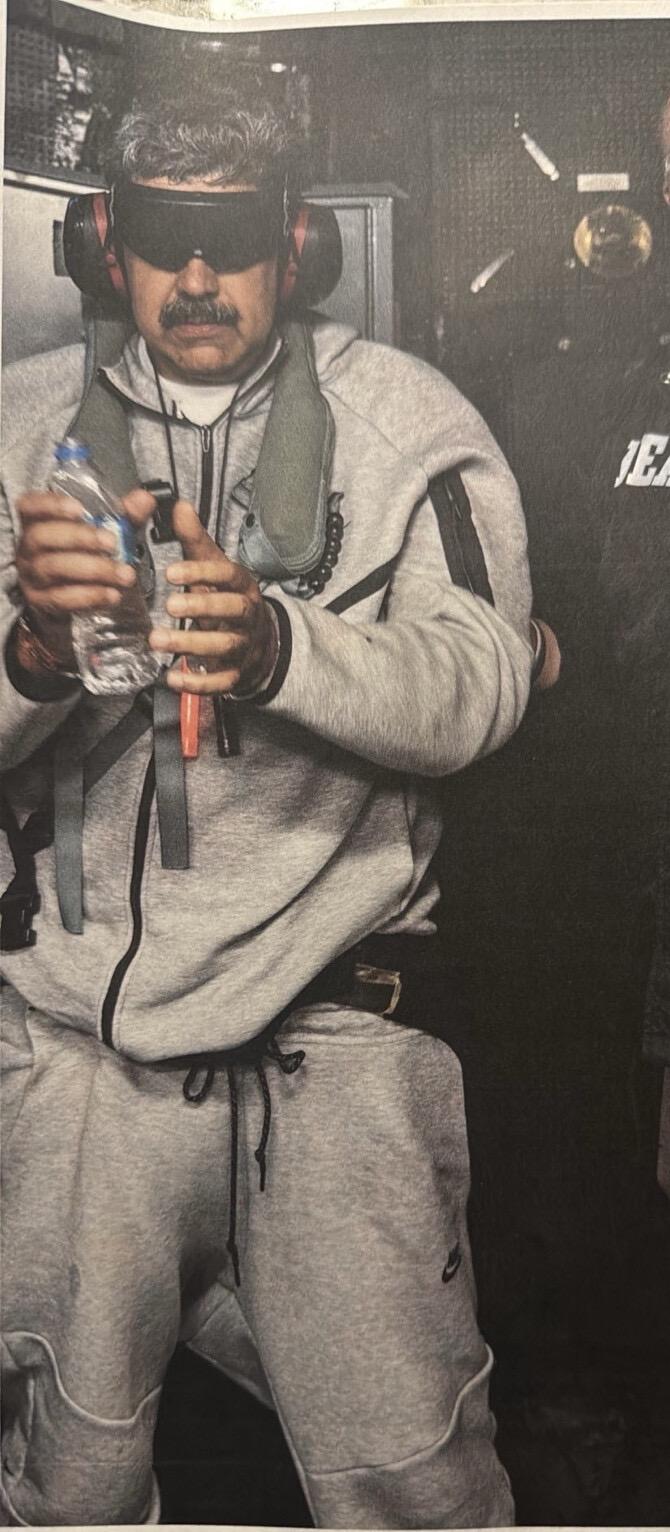
On January 3, 2026, United States military forces conducted a targeted operation in Venezuela that resulted in the capture of President Nicolás Maduro and his wife, Cilia Flores. The action, known as Operation Absolute Resolve, marked the first direct U.S. military intervention in a South American nation in decades.
Nicolás Maduro Moros has served as president of Venezuela since 2013. He rose to prominence as a loyal ally of former President Hugo Chávez, serving as foreign minister and then vice president before Chávez’s death from cancer that year.
Chávez publicly designated Maduro as his preferred successor shortly before passing away. Maduro won a special election in April 2013 by a narrow margin against opposition candidate Henrique Capriles, amid allegations of irregularities. Subsequent elections in 2018 and 2024 drew widespread criticism for lack of fairness, with many international observers and governments refusing to recognize the results.
The United States, among other nations, indicted Maduro in 2020 on charges of narco-terrorism, alleging ties to drug trafficking organizations. A reward of up to $15 million was offered for information leading to his arrest. Tensions escalated further under the second Trump administration, with increased sanctions, deportations of Venezuelan migrants, and military positioning in the region beginning in 2025.
Cilia Flores, Maduro’s wife, has been a prominent political figure in her own right. She previously served as attorney general and president of the National Assembly. Flores accompanied Maduro during the capture and faces related charges in the United States.
Events leading to the operation included months of intelligence gathering and regional military buildup. U.S. forces deployed assets in the Caribbean, and intelligence teams tracked Maduro’s movements closely. A maritime blockade intercepted Venezuelan oil tankers in late 2025, while strikes targeted alleged drug trafficking routes.
President Donald Trump stated that the operation aimed to address drug trafficking and secure a transition in Venezuela. He announced on January 2, 2026, that strikes inside Venezuela would occur. Preparations involved rehearsals and confirmation of Maduro’s location at a fortified compound in Caracas.
The operation commenced in the early hours of January 3, 2026. Supporting airstrikes targeted military installations, communications antennas, and ports near the capital, causing explosions and power disruptions in parts of Caracas. Elite units from the U.S. Army's Delta Force, supported by aviation assets, then conducted a helicopter-borne raid on the compound.
Forces confirmed Maduro’s presence through prior intelligence before extracting him and Flores. The raid concluded without reported U.S. casualties. Maduro and Flores were transported out of Venezuela and arrived in New York for legal proceedings.
Maduro and Flores appeared in federal court in Manhattan on January 5, 2026, where they pleaded not guilty to charges including narco-terrorism and drug conspiracy. Maduro described the operation as a kidnapping and maintained that he remains Venezuela’s legitimate president. Reports indicate Flores sustained injuries during the capture.
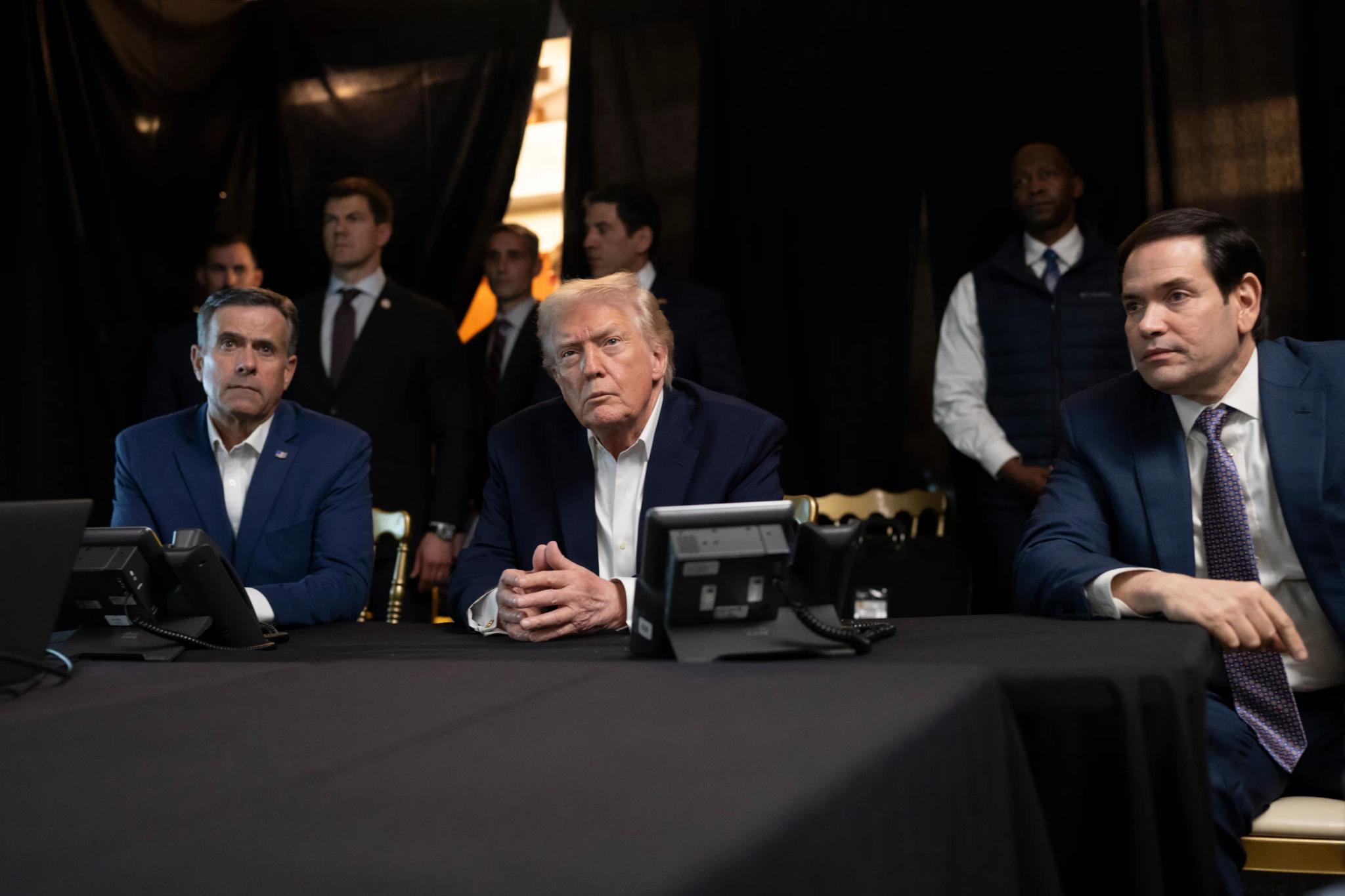
President Trump commented that the United States would temporarily administer Venezuela to facilitate a transition. “We will run the country until such time as we can do a safe, proper and judicious transition,” he stated during a press conference. He added that officials including Marco Rubio would oversee efforts, and expressed willingness to deploy ground forces if necessary.
As of January 5, 2026, Maduro and Flores remain in federal custody awaiting further hearings. Legal proceedings are expected to continue on the existing indictment, potentially leading to trial and significant sentences if convictions occur. In Venezuela, Delcy Rodríguez has assumed acting presidential duties, while international reactions range from condemnation of the intervention to support for Maduro’s removal.
The long-term administration of Venezuela and resource management remain subjects of ongoing statements from U.S. officials. Opposition figures, including María Corina Machado and Edmundo González, have expressed readiness to participate in any transition process.